Introduction to Fuel & Mileage
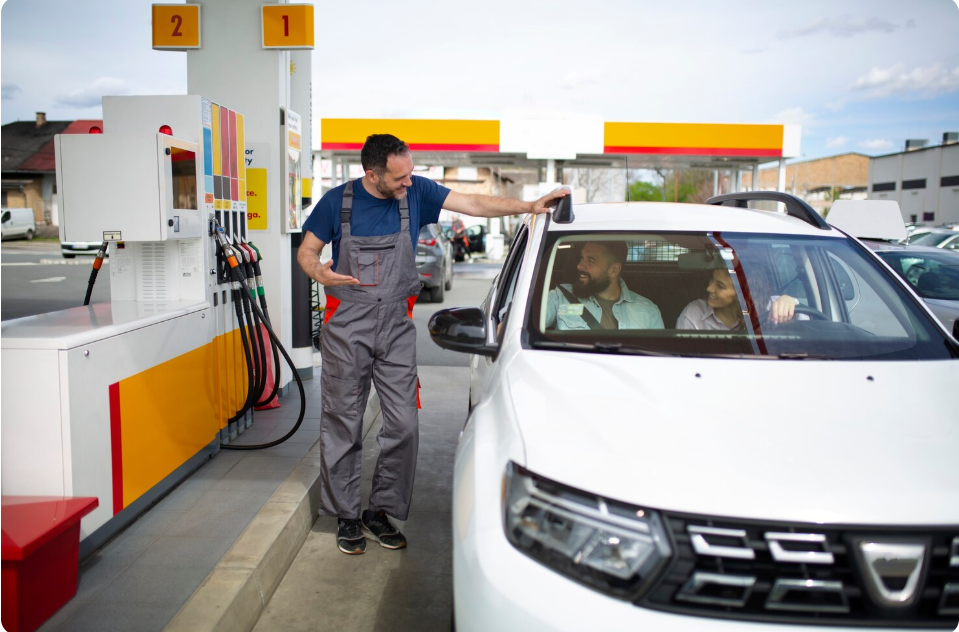
Fuel & Mileage are crucial considerations for every vehicle owner aiming to save money, improve efficiency, and enhance overall performance. Understanding how a vehicle consumes fuel and the factors that affect mileage helps drivers make informed decisions. Optimizing Fuel & Mileage not only reduces operational costs but also supports environmental sustainability by lowering emissions. Awareness of best practices and vehicle features enables smarter and more economical driving.
Factors Affecting Fuel Efficiency
Several factors influence Fuel & Mileage, including engine type, vehicle weight, aerodynamics, and driving conditions. Heavy vehicles or those with larger engines typically consume more fuel. Traffic congestion, stop and go driving, and extreme weather can further impact mileage. Even tire pressure, load, and fuel quality affect efficiency. Recognizing these factors allows drivers to adjust habits and maintain their vehicles to achieve optimal mileage.
Driving Habits and Techniques
Driving behavior has a significant effect on Fuel & Mileage. Aggressive acceleration, frequent braking, and speeding increase fuel consumption. Maintaining a steady speed, anticipating traffic flow, and using cruise control when possible can improve efficiency. Smooth driving reduces fuel usage, minimizes engine strain, and extends the lifespan of vehicle components, ultimately enhancing overall performance and cost savings.
Vehicle Maintenance and Optimization
Regular maintenance is vital for maximizing Fuel & Mileage. Well maintained engines, clean air filters, and properly functioning spark plugs improve combustion efficiency. Checking oil, transmission fluid, and coolant levels ensures smooth operation. Tire maintenance, including proper inflation and alignment, reduces rolling resistance. Routine maintenance keeps vehicles operating at peak performance, ensuring better mileage and reduced long term costs.
Fuel Type and Quality
The type and quality of fuel used affects vehicle efficiency. Using manufacturer recommended fuel ensures optimal engine performance. High quality fuel improves combustion, reduces deposits, and maintains consistent mileage. Low quality or incorrect fuel types can lower efficiency and damage engine components. Understanding fuel options and using appropriate fuel is essential for achieving maximum Fuel & Mileage.
Technology and Fuel Saving Features
Modern vehicles incorporate technology to enhance Fuel & Mileage. Hybrid engines, start stop systems, regenerative braking, and fuel injection improvements contribute to better efficiency. Onboard systems and mobile apps provide real time data on fuel consumption, helping drivers monitor and optimize usage. Leveraging technological features ensures more economical and environmentally responsible driving.
Route Planning and Traffic Management
Planning trips efficiently impacts Fuel & Mileage significantly. Avoiding congested routes, minimizing idling, and combining errands reduces unnecessary fuel consumption. GPS and navigation apps provide real time traffic updates and suggest optimal routes. Efficient route planning not only saves fuel but also reduces travel time, contributing to cost savings and a more comfortable driving experience.
Environmental and Economic Benefits
Maximizing Fuel & Mileage benefits both the environment and finances. Reduced fuel consumption lowers carbon emissions, improving air quality and supporting sustainability goals. Economically, efficient driving reduces fuel expenses and maintenance costs, providing long term savings. Smart attention to Fuel & Mileage encourages responsible driving while enhancing vehicle longevity and reliability.
Monitoring and Tracking Fuel Usage
Consistent monitoring of Fuel & Mileage helps drivers understand consumption patterns and identify areas for improvement. Onboard computers, mobile apps, and fuel logs allow for real time tracking. Monitoring enables proactive maintenance, adjustment of driving habits, and informed vehicle upgrades. Tracking fuel usage is essential for achieving sustained efficiency and cost effectiveness.
Conclusion
Maximizing Fuel & Mileage is key to saving money and enhancing vehicle performance. By understanding factors that affect fuel consumption, adopting efficient driving habits, maintaining vehicles, and leveraging technology, drivers can achieve optimal mileage. Planning routes, using quality fuel, and monitoring usage further improves efficiency. Prioritizing Fuel & Mileage ensures economical, environmentally friendly, and high performance driving, making every journey smarter and more sustainable.